
Recommended Global Medical Webinars & Conferences
Blood Disorders 2026
- Welcome Message
- About Blood Disorders 2026
- Why Attend ?
- Target Audience
- Session & Tracks
- Market Analysis Report
- Past Conference Report
Welcome Message
Dear Esteemed Delegates, Colleagues, and Guests,
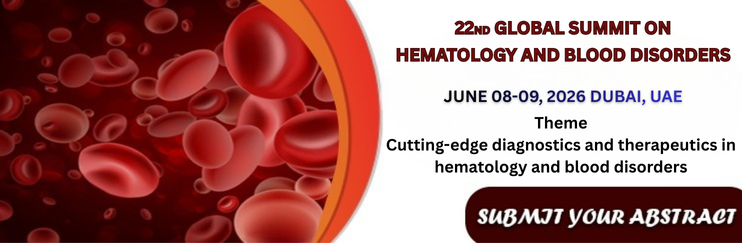
On behalf of the organizing committee, it is our distinct honor and privilege to welcome you to the 22nd Global Summit on Hematology and Blood Disorders, held in the breathtaking city of Dubai, UAE, on June 8th and 9th, 2026.
We are delighted to host you at this prestigious event, where experts, researchers, clinicians, and healthcare professionals from around the world come together to exchange groundbreaking ideas and explore new frontiers in the field of hematology. This summit is not just an event—it is a celebration of our shared commitment to advancing the understanding and treatment of blood disorders, improving patient outcomes, and driving meaningful innovation in our field.
Over the course of the next two days, we will be exploring critical topics and challenges facing the global healthcare community, with an emphasis on the latest research, therapies, and treatment protocols. The summit will feature distinguished keynote speakers, thought-provoking panel discussions, and interactive workshops that promise to enrich your knowledge, broaden your perspective, and provide valuable opportunities for collaboration.
We are especially excited to welcome you to Dubai, a city known for its rich cultural heritage, groundbreaking architecture, and vibrant energy. This welcoming environment mirrors our hope for the summit: a space where diverse ideas come together to create lasting change. We encourage you to not only engage in the formal discussions but also take time to network, forge new partnerships, and build lasting connections that will continue to inspire and shape the future of hematology.
Please know that we are here to ensure your experience is as enriching and rewarding as possible. Our team is dedicated to providing the highest standard of hospitality, and we warmly welcome all of you to participate, learn, and grow in this vibrant community of medical professionals.
Thank you for being part of this exciting event. We are confident that your contributions will help make this summit a resounding success, and we look forward to sharing this enriching experience with you all.
With warm regards and best wishes for a productive and inspiring summit,
Organizing Committee
Blood Disorders 2026
June 08–09, 2026 | Dubai, UAE
About Blood Disorders 2026
The 22nd Global Summit on Hematology and Blood Disorders, scheduled for June 08–09, 2026 in Dubai, UAE, is a premier international forum dedicated to advancing research, clinical practice, and innovation in the field of hematology and blood-related disorders.
This global summit brings together leading hematologists, clinicians, researchers, scientists, healthcare professionals, industry experts, and academicians from around the world to share the latest scientific discoveries, treatment strategies, and technological advancements. The conference will cover a broad spectrum of topics including blood cancers, anemia, bleeding and clotting disorders, transfusion medicine, stem cell therapy, precision medicine, and emerging therapeutic approaches.
The program features keynote lectures by renowned experts, scientific sessions, panel discussions, poster presentations, and networking opportunities designed to encourage collaboration and knowledge exchange. Participants will gain valuable insights into current challenges and future directions in hematology, while fostering partnerships that contribute to improved patient care and outcomes.
Set in the vibrant and cosmopolitan city of Dubai, known for its innovation, culture, and world-class hospitality, the summit offers an inspiring environment for scientific discussion and professional growth.
The 22nd Global Summit on Hematology and Blood Disorders aims to serve as a dynamic platform for learning, collaboration, and innovation, shaping the future of hematology and blood disorder management worldwide.
Why Attend ?
Attending the 22nd Global Summit on Hematology and Blood Disorders, taking place on June 08–09, 2026 in Dubai, UAE, offers a unique opportunity to gain knowledge, build connections, and contribute to the future of hematology.
Key Reasons to Attend:
-
Learn from Global Experts
Hear from internationally recognized leaders and specialists as they share insights on the latest research, clinical practices, and emerging therapies in hematology and blood disorders. -
Stay Updated on Scientific Advancements
Discover cutting-edge developments in diagnostics, treatment strategies, precision medicine, stem cell therapy, and innovative technologies shaping patient care. -
Expand Professional Networks
Connect with researchers, clinicians, academicians, industry professionals, and healthcare leaders from around the world, opening doors to collaboration and career growth. -
Share Your Research and Ideas
Present your work through oral or poster sessions and receive valuable feedback from peers and experts in the field. -
Engage in Interactive Discussions
Participate in panel discussions, workshops, and Q&A sessions designed to encourage knowledge exchange and practical learning. -
Enhance Clinical and Research Skills
Gain insights that can be directly applied to clinical practice, research projects, and academic pursuits. -
Experience Dubai
Enjoy the vibrant culture, innovation, and hospitality of Dubai while attending a world-class scientific event.
The summit provides an inspiring platform to learn, collaborate, and contribute to improving outcomes for patients with blood disorders worldwide.
Target Audience
- Hematologists
- Oncologists
- Clinical researchers and scientists
- Physicians and surgeons
- Pathologists and laboratory professionals
- Transfusion medicine specialists
- Stem cell and regenerative medicine experts
- Nurses and allied healthcare professionals
- Academicians and educators
- Medical and graduate students
- Pharmaceutical and biotechnology professionals
- Healthcare administrators and policy makers
- Industry representatives and sponsors
Session & Tracks
Session 01: Hematologic Malignancies
Hematologic malignancies are cancers affecting the blood, bone marrow, and lymphatic system, including leukemia, lymphoma, and multiple myeloma. These disorders arise due to abnormal proliferation of blood cells or plasma cells, often caused by genetic mutations, chromosomal translocations, or dysregulated cellular signaling pathways. Leukemia involves overproduction of immature white blood cells, disrupting normal hematopoiesis and causing anemia, infections, and bleeding complications. Lymphoma originates from malignant lymphocytes, affecting lymph nodes and other organs, while multiple myeloma involves clonal expansion of plasma cells in the bone marrow, leading to bone lesions, immunodeficiency, and kidney dysfunction. Diagnostic approaches include complete blood counts, peripheral blood smears, bone marrow biopsy, immunophenotyping via flow cytometry, cytogenetic analysis, and molecular techniques like PCR and next-generation sequencing. Laboratory instruments such as automated hematology analyzers, flow cytometers, fluorescence microscopes, and sequencing platforms ensure accuracy and reproducibility in testing. Therapeutic strategies include chemotherapy, targeted therapy, immunotherapy, monoclonal antibodies, and hematopoietic stem cell transplantation, with emerging treatments such as CAR-T therapy and gene-editing approaches showing promise. The integration of advanced diagnostics with novel therapies enables early detection, precise disease classification, personalized treatment planning, and monitoring of therapeutic responses. This session provides delegates with comprehensive knowledge of the biological mechanisms, state-of-the-art diagnostic tools, laboratory instruments, and innovative treatment options in hematologic malignancies, fostering improved understanding and application in clinical practice.
Session 02: Blood Disorder Diagnostics and Biomarkers
Blood disorder diagnostics focus on detecting and monitoring hematologic conditions, including anemia, coagulation disorders, hemoglobinopathies, and blood cancers. These disorders may result from genetic mutations, autoimmune reactions, nutritional deficiencies, or disruptions in normal hematopoiesis. Modern diagnostic methods include complete blood counts, peripheral blood smears, reticulocyte counts, coagulation assays, bone marrow evaluation, and molecular genetic testing. Advanced techniques such as PCR, fluorescence in situ hybridization (FISH), next-generation sequencing, and immunophenotyping allow precise identification of abnormal cell populations, genetic mutations, and disease-specific biomarkers. Laboratory instruments like automated hematology analyzers, flow cytometers, microscopes, and sequencing platforms enhance accuracy, reproducibility, and efficiency. Blood biomarkers, including proteins, genetic signatures, and cellular markers, are essential for early disease detection, classification, and monitoring progression. These diagnostic tools are critical for informing clinical decision-making, guiding research studies, and supporting personalized therapeutic strategies. By understanding the biological basis of blood disorders and utilizing advanced diagnostics and instrumentation, clinicians and researchers can improve patient assessment, optimize treatment planning, and advance hematology research globally.
Session 03: Coagulation and Hemostasis Disorders
Coagulation and hemostasis disorders involve abnormalities in the blood clotting process, leading to either excessive bleeding or unwanted clot formation. Hemostasis is a critical physiological process that maintains the balance between bleeding and clotting, involving platelets, coagulation factors, and vascular endothelium. Disorders may include hemophilia, von Willebrand disease, thrombophilia, disseminated intravascular coagulation, and platelet function abnormalities. Biological understanding of these conditions highlights the interplay of coagulation proteins, genetic mutations, and cellular mechanisms affecting clot formation and stability. Diagnostic methods involve coagulation assays such as prothrombin time (PT), activated partial thromboplastin time (aPTT), thrombin generation tests, platelet function tests, and factor activity measurements. Advanced laboratory tools include automated coagulation analyzers, flow cytometers, ELISA readers, and molecular genetic testing platforms. These instruments allow precise assessment of clotting factor deficiencies, platelet abnormalities, and thrombotic tendencies. Understanding coagulation pathways is critical for guiding treatment decisions, including replacement therapies with clotting factors, anticoagulant management, and novel therapies like recombinant factor proteins or gene therapy approaches. This session provides delegates with a comprehensive overview of the biological mechanisms underlying hemostasis and coagulation disorders, the diagnostic techniques and instruments used in laboratories, and emerging therapeutic strategies. By integrating biological knowledge with practical diagnostic applications, participants gain insights into optimizing patient management, preventing complications, and advancing clinical practice in hematology and transfusion medicine.
Session 04: Hemoglobinopathies and Genetic Blood Disorders
Hemoglobinopathies and genetic blood disorders are inherited conditions affecting the structure, function, or production of hemoglobin, red blood cells, or other blood components. Common disorders include sickle cell disease, thalassemia, hereditary spherocytosis, and other congenital anemias. These conditions often result from point mutations, deletions, or gene rearrangements affecting globin chains or red blood cell membrane proteins. Biologically, these mutations lead to hemolysis, ineffective erythropoiesis, chronic anemia, and associated complications such as organ damage and increased susceptibility to infections. Diagnostic methods include complete blood counts, peripheral blood smears, hemoglobin electrophoresis, high-performance liquid chromatography (HPLC), genetic sequencing, and molecular analysis. Laboratory instruments such as automated hematology analyzers, HPLC systems, PCR machines, and sequencing platforms enable precise identification of abnormal hemoglobin variants and genetic defects. Advances in prenatal and neonatal screening allow early detection and timely intervention. Therapeutic approaches include supportive care, blood transfusions, iron chelation therapy, hydroxyurea treatment, and emerging curative strategies such as gene therapy and hematopoietic stem cell transplantation. This session aims to provide participants with a detailed understanding of the molecular and genetic basis of hemoglobinopathies, modern diagnostic techniques and instruments, and clinical strategies for managing these lifelong conditions. Knowledge gained from this session supports accurate diagnosis, improved patient care, and the development of personalized treatment plans for individuals affected by genetic blood disorders.
Session 05: Stem Cell and Bone Marrow Transplantation
Stem cell and bone marrow transplantation represent transformative therapeutic strategies in hematology, used to treat blood cancers, genetic blood disorders, and bone marrow failure syndromes. Hematopoietic stem cells (HSCs) are multipotent cells capable of self-renewal and differentiation into all blood cell lineages, making them central to restoring healthy hematopoiesis. Transplantation involves collecting HSCs from bone marrow, peripheral blood, or cord blood, followed by conditioning regimens to prepare patients for engraftment. Biological understanding of stem cell niches, immune compatibility, and engraftment mechanisms is critical for successful outcomes. Diagnostic and preparatory methods include HLA typing, flow cytometry for stem cell characterization, colony-forming assays, and molecular testing to assess donor-recipient compatibility and predict complications. Key instruments include automated cell counters, flow cytometers, PCR and sequencing platforms, and cryopreservation systems to store stem cells safely. Clinical applications of transplantation involve allogeneic and autologous approaches, immunosuppressive management, and monitoring for graft-versus-host disease. Emerging techniques, including gene-edited stem cells and CAR-T therapies, expand therapeutic possibilities, offering personalized and targeted treatment options. This session equips delegates with comprehensive knowledge of stem cell biology, transplantation procedures, laboratory methods, and instrumentation, emphasizing their application in clinical practice. Understanding these aspects enhances patient selection, transplantation success rates, and post-transplant care, positioning stem cell therapy as a cornerstone of modern hematology and providing life-saving treatments for patients with complex blood disorders.
Session 06: Pediatric Hematology
Pediatric hematology focuses on blood disorders in infants, children, and adolescents, which may differ significantly from adult conditions in terms of biology, presentation, and management. Common pediatric blood disorders include congenital anemias, hemoglobinopathies, immune thrombocytopenia, leukemias, lymphomas, and inherited bleeding disorders. Biologically, these conditions arise from genetic mutations, developmental abnormalities in hematopoiesis, immune system dysregulation, or environmental factors affecting blood cell production and function. Diagnostic approaches in pediatric hematology include complete blood counts, peripheral blood smears, bone marrow aspiration and biopsy, hemoglobin electrophoresis, flow cytometry, and molecular genetic testing. Instruments used in laboratories include automated analyzers, microscopes, flow cytometers, and sequencing platforms, allowing precise evaluation of blood cell morphology, immunophenotype, and genetic defects. Clinical management strategies are tailored to the pediatric population, including supportive care, blood transfusions, iron chelation therapy, growth factor administration, chemotherapy, and stem cell transplantation when indicated. Pediatric hematology also emphasizes early detection through newborn screening programs, which help identify hemoglobinopathies and other inherited blood disorders, enabling timely interventions. Advances in gene therapy and targeted molecular treatments offer promising options for treating congenital and inherited hematologic conditions. This session provides delegates with comprehensive knowledge of pediatric blood biology, diagnostic methods, laboratory instruments, and age-specific treatment strategies. By understanding the unique aspects of pediatric hematology, clinicians and researchers can optimize care, improve outcomes, and reduce long-term complications, ensuring better quality of life for affected children and supporting families throughout the treatment journey.
Session 07: Blood Transfusion and Immunohematology
Blood transfusion and immunohematology involve the study and clinical application of blood component therapy, compatibility testing, and immune-mediated blood disorders. Biologically, transfusion medicine relies on understanding red blood cell antigens, platelet antigens, plasma proteins, and immune responses to ensure safe and effective therapy. Blood disorders requiring transfusion include severe anemia, hemoglobinopathies, clotting factor deficiencies, and blood loss due to trauma or surgery. Diagnostic and laboratory methods include blood typing, crossmatching, antibody screening, direct and indirect Coombs tests, and advanced immunohematology assays. Instruments such as automated blood analyzers, gel card systems, flow cytometers, and serology platforms are essential for accurate detection of antigens, antibodies, and compatibility issues. Clinical applications include red blood cell, platelet, plasma, and cryoprecipitate transfusions, as well as therapeutic apheresis for autoimmune or malignant disorders. Quality control, donor screening, and infection prevention are integral components of safe transfusion practices. Emerging technologies, including molecular blood typing and pathogen reduction techniques, enhance transfusion safety and efficiency. This session equips delegates with an understanding of transfusion biology, laboratory methodologies, instrumentation, and clinical protocols, emphasizing the importance of safe, precise, and effective blood therapy in patient care.
Session 08: Rare and Autoimmune Blood Disorders
Rare and autoimmune blood disorders include conditions such as autoimmune hemolytic anemia, aplastic anemia, paroxysmal nocturnal hemoglobinuria, and rare clotting factor deficiencies. These disorders arise from genetic mutations, immune system dysregulation, or unknown environmental triggers, leading to destruction or dysfunction of blood cells, impaired hematopoiesis, and clinical complications such as anemia, thrombosis, or bleeding. Diagnostic approaches include complete blood counts, peripheral blood smears, bone marrow evaluation, flow cytometry, immunoassays, and molecular genetic testing. Laboratory instruments such as automated hematology analyzers, flow cytometers, ELISA readers, and sequencing platforms enable precise detection of abnormal cells, autoantibodies, and genetic defects. Clinical management involves immunosuppressive therapies, targeted biologics, blood transfusions, and stem cell transplantation for severe cases. Understanding the underlying biological mechanisms is essential for accurate diagnosis, therapeutic planning, and research into novel treatments. This session provides delegates with a detailed overview of the biology, diagnostic methods, and instrumentation associated with rare and autoimmune blood disorders, enhancing the ability to recognize, study, and manage these complex conditions in clinical practice.
Session 09: Emerging Therapies and Precision Medicine
Emerging therapies and precision medicine are transforming hematology by enabling personalized approaches to the treatment of blood disorders. Biological understanding of disease mechanisms, genetic mutations, and cellular signaling pathways allows targeted interventions for conditions such as leukemia, lymphoma, hemoglobinopathies, and coagulation disorders. Diagnostic methods include molecular profiling, next-generation sequencing, flow cytometry, and biomarker analysis, using instruments like automated analyzers, sequencing platforms, and high-throughput screening tools. Novel therapies include CAR-T cell therapy, gene editing, monoclonal antibodies, small molecule inhibitors, and targeted biologics, offering improved efficacy and reduced toxicity. Integration of diagnostic data with patient-specific characteristics enables individualized treatment plans, better risk stratification, and monitoring of therapeutic response. This session equips delegates with knowledge of cutting-edge research, advanced instrumentation, and clinical applications of emerging therapies, emphasizing the potential of precision medicine to improve patient outcomes and revolutionize hematology practice.
Session 10: Clinical Research, Case Studies, and Translational Hematology
Clinical research, case studies, and translational hematology focus on applying laboratory discoveries to clinical practice for the diagnosis, treatment, and management of blood disorders. Biological investigations include understanding disease mechanisms, genetic mutations, cellular pathways, and immune responses involved in hematologic conditions. Methods involve laboratory assays, molecular diagnostics, flow cytometry, imaging, and patient monitoring techniques, supported by instruments such as automated analyzers, microscopes, PCR machines, and sequencing platforms. Case studies provide real-world insights into patient management, therapeutic challenges, and treatment outcomes, while translational research bridges basic science findings to clinical applications. This approach enables development of innovative therapies, optimized treatment protocols, and evidence-based strategies for patient care. Delegates gain comprehensive knowledge of research methodologies, diagnostic techniques, laboratory instruments, and clinical applications, fostering collaboration between research and clinical practice and promoting advances in hematology.
Session 11: Immunotherapy in Hematology
Immunotherapy has emerged as a transformative approach in the treatment of hematologic disorders, harnessing the body’s immune system to target abnormal blood cells and malignancies. Biological mechanisms underlying immunotherapy involve the activation, modulation, or enhancement of immune responses against diseased cells, including leukemic blasts, lymphoma cells, and abnormal plasma cells. Key strategies include monoclonal antibodies, which specifically bind to tumor antigens to induce cell death or recruit immune effectors, and chimeric antigen receptor T-cell (CAR-T) therapy, where patient T cells are genetically engineered to recognize and eliminate malignant cells. Checkpoint inhibitors, another major modality, block inhibitory immune pathways, enhancing anti-tumor immunity. Diagnostic and laboratory methods play a critical role in selecting appropriate patients, monitoring responses, and managing adverse effects. Techniques include flow cytometry to characterize immune cell populations, molecular assays to detect target antigen expression, ELISA and immunoassays to monitor cytokine release, and next-generation sequencing for genetic profiling of malignant cells. Instruments such as automated cell counters, flow cytometers, incubators for cell culture, and gene-editing platforms are essential for immunotherapy development, manufacturing, and monitoring. Clinically, immunotherapy has demonstrated significant success in hematologic malignancies, improving survival rates, achieving remission in refractory cases, and offering curative potential for selected patients. However, challenges such as cytokine release syndrome, immune-related adverse events, and variable patient responses require careful monitoring and management. This session provides delegates with comprehensive knowledge of immune mechanisms in hematology, laboratory techniques and instruments supporting immunotherapy, and clinical applications of immune-based treatments. By understanding these biological principles and technological advances, participants can appreciate the potential of immunotherapy to revolutionize patient care, improve treatment outcomes, and contribute to the ongoing innovation in the field of hematology and blood disorder management.
Session 12: Gene Therapy and Genetic Engineering
Gene therapy and genetic engineering are rapidly advancing fields in hematology, offering potential cures for inherited and acquired blood disorders. Biologically, these approaches involve correcting or modifying defective genes responsible for conditions such as sickle cell disease, thalassemia, hemophilia, and immunodeficiencies. Techniques include viral vector-mediated gene delivery, CRISPR-Cas9-based gene editing, and RNA-based therapies, which enable targeted modifications of hematopoietic stem cells or immune cells. Diagnostic and laboratory methods are essential for patient selection, monitoring, and evaluating therapy efficacy. These include molecular genetic testing, sequencing, flow cytometry, PCR assays, and functional studies to assess gene expression and protein production. Instruments such as gene-editing platforms, automated cell culture systems, flow cytometers, PCR machines, and high-throughput sequencing instruments support research and clinical applications. Gene therapy allows personalized treatment by restoring normal gene function, improving hemoglobin production, or enhancing immune function. Clinical outcomes have shown remarkable improvements in patients previously dependent on lifelong transfusions or therapies. Safety monitoring is critical, as off-target effects, immune reactions, and vector-related complications must be managed. This session provides delegates with an in-depth understanding of the biological basis, laboratory techniques, instrumentation, and clinical applications of gene therapy and genetic engineering, emphasizing the transformative potential of these approaches in modern hematology.
Session 13: Platelet Disorders and Thrombocytopenia
Platelet disorders and thrombocytopenia encompass conditions where platelet number or function is impaired, leading to excessive bleeding or clotting. Biologically, these disorders may result from genetic mutations, autoimmune destruction, bone marrow suppression, or medication-induced platelet dysfunction. Diagnostic methods include complete blood counts, peripheral blood smears, platelet aggregation studies, flow cytometry for platelet surface markers, and molecular testing for inherited platelet disorders. Instruments used include automated hematology analyzers, flow cytometers, aggregometers, and microscopes. Clinical management involves platelet transfusions, immunosuppressive therapy, thrombopoietin receptor agonists, and careful monitoring to prevent complications. Understanding the biology and applying precise laboratory methods are essential for effective diagnosis and treatment. This session equips participants with insights into the mechanisms, laboratory evaluation, instrumentation, and therapeutic strategies for platelet disorders.
Session 14: Iron and Nutritional Anemias
Iron deficiency and nutritional anemias are among the most common hematologic conditions worldwide, caused by insufficient dietary intake, malabsorption, chronic blood loss, or vitamin deficiencies. Biologically, these conditions lead to reduced hemoglobin synthesis, impaired red blood cell production, and oxygen-carrying capacity, resulting in fatigue, pallor, and other systemic symptoms. Diagnostic methods include complete blood counts, peripheral smear examination, serum ferritin, iron studies, vitamin B12 and folate levels, and reticulocyte counts. Instruments such as automated hematology analyzers, spectrophotometers, and ELISA readers are commonly used in laboratories to ensure accurate assessments. Management strategies include dietary supplementation, oral or intravenous iron therapy, and correction of underlying causes. Early and precise diagnosis through modern laboratory techniques ensures effective treatment, prevention of complications, and improved patient outcomes. This session provides delegates with detailed knowledge of the biological basis, diagnostic methods, laboratory instruments, and treatment strategies for iron and nutritional anemias.
Session 15: Hematology Imaging and Laboratory Technologies
Advanced imaging and laboratory technologies are crucial for accurate diagnosis, monitoring, and research in hematology. Biological insights into blood cell morphology, bone marrow structure, and tissue pathology are complemented by imaging modalities such as confocal microscopy, flow cytometry, fluorescence imaging, and automated analyzers. Laboratory techniques include complete blood counts, coagulation testing, molecular diagnostics, and cytogenetic analysis. Instruments like automated hematology analyzers, flow cytometers, high-throughput sequencing platforms, and imaging systems enhance diagnostic precision, reproducibility, and research capabilities. These technologies facilitate early disease detection, characterization of blood disorders, monitoring of therapy response, and translational research. This session highlights the integration of biological understanding, laboratory techniques, and cutting-edge instrumentation, empowering delegates to apply modern hematology technologies in clinical and research settings.
Session 16: Transfusion-Related Complications and Safety
Transfusion-related complications remain a critical concern in hematology, emphasizing the need for safe practices in blood transfusion and immunohematology. Biologically, complications can arise due to immune reactions, such as hemolytic transfusion reactions, alloimmunization, and graft-versus-host disease, or from infectious agents present in donor blood. Diagnostic and laboratory methods for identifying and preventing these complications include blood typing, crossmatching, antibody screening, direct and indirect Coombs tests, and molecular blood group genotyping. Instruments such as automated blood analyzers, flow cytometers, gel card systems, and ELISA readers are used for precise detection of antigen-antibody interactions, donor compatibility, and pathogen screening. Clinically, prevention strategies include careful donor selection, pathogen inactivation methods, leukoreduction, and vigilant post-transfusion monitoring. Advances in molecular typing, pathogen reduction technologies, and automation have significantly improved transfusion safety. This session equips delegates with comprehensive knowledge of transfusion biology, laboratory techniques, instrumentation, and clinical protocols for preventing and managing complications, ensuring safe, effective, and evidence-based transfusion practices.
Session 17: Myeloproliferative and Myelodysplastic Disorders
Myeloproliferative and myelodysplastic disorders are hematologic conditions characterized by abnormal proliferation or ineffective production of blood cells. Myeloproliferative disorders include polycythemia vera, essential thrombocythemia, and primary myelofibrosis, while myelodysplastic syndromes involve defective hematopoiesis leading to cytopenias and potential progression to leukemia. Biologically, these disorders arise from mutations in hematopoietic stem and progenitor cells, affecting proliferation, differentiation, and apoptosis. Diagnostic methods include complete blood counts, peripheral blood smears, bone marrow biopsy, cytogenetic analysis, flow cytometry, and molecular testing for mutations such as JAK2, CALR, or MPL. Laboratory instruments include automated analyzers, flow cytometers, sequencing platforms, and microscopes. Management strategies involve targeted therapies, cytoreductive treatment, supportive care, and hematopoietic stem cell transplantation. This session provides delegates with an in-depth understanding of the biological mechanisms, diagnostic methods, instrumentation, and therapeutic approaches for myeloproliferative and myelodysplastic disorders.
Session 18: Hemostasis and Thrombosis Research
Hemostasis and thrombosis research focuses on understanding the balance between blood clotting and bleeding, which is essential for preventing cardiovascular events and treating coagulopathies. Biological studies investigate platelet function, coagulation pathways, fibrinolysis, and endothelial cell interactions. Diagnostic techniques include platelet aggregation tests, coagulation assays, thromboelastography, flow cytometry, and molecular assays to detect clotting factor deficiencies and genetic mutations. Instruments such as coagulation analyzers, flow cytometers, aggregometers, and imaging systems support precise evaluation. Clinical applications include management of thrombotic disorders, bleeding tendencies, and monitoring anticoagulant therapy. This session equips delegates with insights into cutting-edge research, laboratory techniques, and instrumentation in hemostasis and thrombosis, bridging basic science with clinical practice.
Session 19: Hematology in Infectious Diseases
Hematology plays a key role in diagnosing and managing blood-related complications of infectious diseases, including malaria, viral infections, bacterial sepsis, and emerging pathogens. Biological effects include anemia, leukopenia, thrombocytopenia, coagulopathy, and immune dysregulation. Diagnostic methods include complete blood counts, peripheral blood smears, molecular testing, serology, flow cytometry, and coagulation assays. Instruments such as automated hematology analyzers, PCR machines, flow cytometers, and ELISA readers facilitate rapid and accurate detection. Clinical management involves treating the underlying infection, monitoring hematologic parameters, and providing supportive care such as transfusions or anticoagulants. This session provides participants with a comprehensive overview of the interaction between infectious diseases and hematology, laboratory techniques, instrumentation, and clinical management strategies.
Session 20: Advances in Hematology Research and Clinical Trials
Advances in hematology research and clinical trials drive innovation in the diagnosis and treatment of blood disorders. Biological research focuses on understanding disease mechanisms, genetic mutations, cellular pathways, and immune responses. Laboratory techniques include flow cytometry, molecular diagnostics, sequencing, biomarker analysis, and functional assays. Instruments such as automated analyzers, high-throughput sequencing platforms, flow cytometers, and imaging systems enhance research accuracy and reproducibility. Clinical trials assess novel therapies, including targeted biologics, gene therapy, CAR-T cells, and stem cell transplantation, evaluating safety, efficacy, and long-term outcomes. This session equips delegates with knowledge of cutting-edge research, laboratory methods, instrumentation, and translational applications, emphasizing the integration of laboratory discoveries into clinical practice to improve patient outcomes and advance hematology globally.
Market Analysis Report
The global hematology and blood disorder diagnostics market is experiencing steady growth, driven by the rising prevalence of conditions such as anemia, leukemia, lymphoma, and other blood anomalies. In 2025, the hematology diagnostics market is estimated to be valued at around USD 3.97–4.02 billion, reflecting the essential role of blood diagnostics in early disease detection and patient management. This segment includes instruments, reagents, and automated analyzers used in clinical laboratories, hospitals, and research institutions worldwide.
Over the next decade, the hematology diagnostics industry is projected to grow significantly, with forecasts estimating the market could reach between approximately USD 6.3 billion and USD 8.05 billion by 2035, exhibiting a compound annual growth rate (CAGR) of around 6.5% from 2025 to 2035. Growth drivers include expanding healthcare infrastructure, increased adoption of advanced automated and AI-enabled diagnostic technologies, and growing patient awareness of early detection benefits. Regions such as Asia-Pacific and North America are expected to lead in market expansion due to rising healthcare investments and high demand for precision diagnostics.
Beyond diagnostics, the broader hematology market—including therapeutics, advanced molecular testing, and blood cancer diagnostics—is also poised for strong expansion. Combined global diagnostics and therapeutics markets related to hematological disorders are forecasted to grow from over USD 131 billion in 2024 to about USD 189 billion by 2029, at a CAGR of roughly 7.6%, highlighting robust demand for both treatment and diagnostic solutions. These trends indicate sustained long-term opportunities in innovation, personalized care, and service delivery across the hematology value chain through 2035 and beyond.
- International Society of Hematology
- American Society of Hematology
- European Hematology Association
- World Federation of Hemophilia
- Asian Pacific Society of Hematology
- British Society for Haematology
- Indian Society of Hematology and Blood Transfusion
- Canadian Hematology Society
- Society for Hematopathology
- International Society on Thrombosis and Haemostasis
- International Myeloma Society
- European Society for Blood and Marrow Transplantation
- American Association of Blood Banks
- European LeukemiaNet
- International Society for Laboratory Hematology
- International Society for Cellular Therapy
- Pan-American Hematology Association
- Japanese Society of Hematology
- Korean Society of Hematology
- Latin American Hematology Association
- Middle East Hematology Society
- African Society of Hematology
- Thalassemia International Federation
- Hematology Society of Australia and New Zealand
- Pediatric Hematology Oncology Society
- International Society for Thalassemia and Hemoglobinopathies
Participants & Participation Options
Speaker
- Deliver keynote or invited lectures.
- Share cutting-edge research, innovations, and insights with global delegates.
Delegate
- Attend scientific sessions, panel discussions, and networking events.
- Access conference materials and interact with experts across the field.
Poster Presenter
- Showcase original research through printed or digital posters.
- Engage in one-on-one discussions with attendees and experts.
Exhibitor
- Display products, technologies, or services in dedicated exhibition spaces.
- Network with delegates, potential clients, and collaborators.
Video Presentation
- Present research findings or innovations via recorded video sessions.
- Ideal for participants unable to attend in person.
E-Poster Presenter
- Share research electronically through interactive e-posters.
- Participate in virtual discussions and Q&A sessions with attendees.
Virtual Registration
- Attend live-streamed keynote sessions, scientific presentations, and panel discussions online.
- Access conference recordings, digital materials, and participate in virtual networking.
- Ideal for international participants or those unable to attend in person.
- Earn CPD/CME points
- Networking opportunities with global experts and peers
- Certificate of participation
- DOI publication opportunities in conference proceedings
- Access to cutting-edge research
- Professional visibility for speakers, presenters, and exhibitors
- Opportunities for global collaboration
Abstract Submission & Registration Timeline
- Abstract Submission Open: Now Open
- Early Bird Registration: February 08, 2026
- Standard Registration: April 08, 2026
- Final Registration Deadline: June 08, 2026
Abstract Submission Details:
- All abstracts will undergo peer review to ensure scientific quality and relevance.
- Authors will receive an Abstract Acceptance Letter upon approval, confirming inclusion in the program.
- Accepted abstracts will be published in the conference proceedings with DOI for global visibility and citation opportunities.
For any questions regarding the 22nd Global Summit on Hematology and Blood Disorders, abstract submission, registration, or participation, please contact:
- Email: contact@speakermeeting.com
- Phone: +44 2880 090005
-
Website: https://blooddisorders.insightconferences.com/
Submit Your Abstract Here: https://blooddisorders.insightconferences.com/abstract-submission.php
Register Here: https://blooddisorders.insightconferences.com/registration.php
Stay connected via our social media channels for updates, announcements, and support.
Past Conference Report
Blood Disorders 2025
We are delighted to announce the 21st Global Summit on Hematology and Blood Disorders , scheduled for November 13-14,2025 , in the historic city of Paris, France. This premier international event will bring together leading experts, researchers, and clinicians from around the world to exchange knowledge and explore the latest advancements in hematology and blood disorder treatments under the theme, “Pioneering Advances in Hematology: Bridging Research and Clinical Practice.”
Blood Disorder 2025 will serve as a global platform for discussions on the most pressing issues in hematology, ranging from the molecular and cellular biology of blood disorders to the clinical applications of groundbreaking therapies. The conference aims to bridge the gap between research and practice, ensuring that the latest scientific discoveries translate into better care and outcomes for patients affected by conditions such as anemia, leukemia, lymphoma, hemophilia, and other hematologic disorders.
We invite you to join us in Rome for this landmark event, where together, we will chart new pathways for innovation and excellence in hematology, contributing to the health and well-being of patients worldwide.
Past Reports Gallery
To Collaborate Scientific Professionals around the World
Conference Date June 08-09, 2026
For Sponsors & Exhibitors
Speaker Opportunity
Useful Links
Supported By
All accepted abstracts will be published in respective Conference Series International Journals.
Abstracts will be provided with Digital Object Identifier by